Bathtub, shower tray or whirlpool: a guide to choosing well
The bathroom is the corner of the home we use many times a day. Thirty or forty years ago people washed on a stool with heated water; today there is a rich choice, from bathtubs to whirlpools. Choosing well comes down to a few simple rules.
In short
- Acrylic is today's most popular bathtub material: light, hygienic and easy to repair.
- Size, tap height and waste position should be planned before the tiles go down.
- A whirlpool needs its own earthed electrical line and professional installation.
Why acrylic?
Bathtubs used to be made of cast iron, cast marble, fibreglass or sheet metal. Painted surfaces, weight, difficult installation, hard cleaning and rust led these materials to give way to acrylic.
- Acrylic is a solid, uniform sheet; there is no paint on the surface, so it does not yellow, fade or peel.
- It stands on adjustable stainless legs, sits straight on the tiles without mortar, plaster or cement, and is easy to level.
- Its front panel opens, so waste problems can be fixed without breaking anything.
- Its non-porous surface does not hold dirt and is easy to clean.
- Scratches can be polished out with polishing compound.
Bathtub or shower tray?
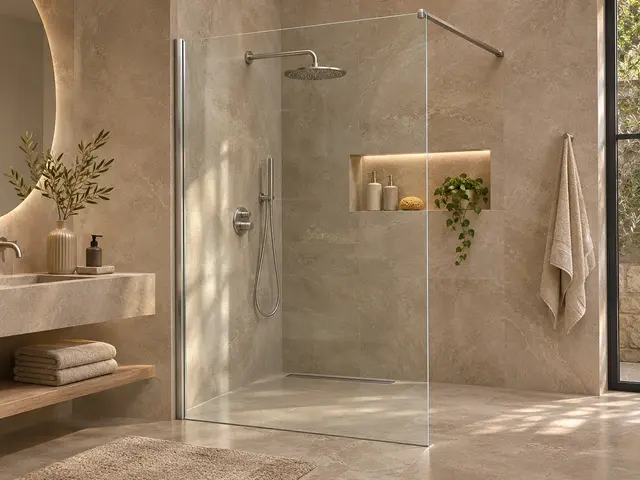
Bathtubs fall into three groups: straight bathtubs, oval (corner) bathtubs and shower trays. Start with the size of your bathroom.
What to check when planning
- The wall behind the bathtub should have no recesses or projections; otherwise a gap will remain between the bathtub and the wall.
- If you will fit a shower enclosure, check the window position: the window should not line up with the enclosure's vertical profile.
- Place the tap about 25 cm above the bathtub. On a bathtub with a seat, the tap should not be on the seat side; it makes showering standing up awkward and presses into your back when you sit.
- Because of the hard, limey water in North Cyprus, we do not recommend deck-mounted taps drilled into the bathtub; they can cause problems in the long run.
- Position the waste to match the bathtub's size. The further the waste is from the bathtub's outlet, the slower the water drains.
- Make all of these adjustments before the tiles go down.
Final steps in installation
Install the bathtub last. If it will be a while before you use it, remove the protective film last. Use good-quality antibacterial silicone and a bath edge trim for a clean finish.

Whirlpool: a bathtub with a motor
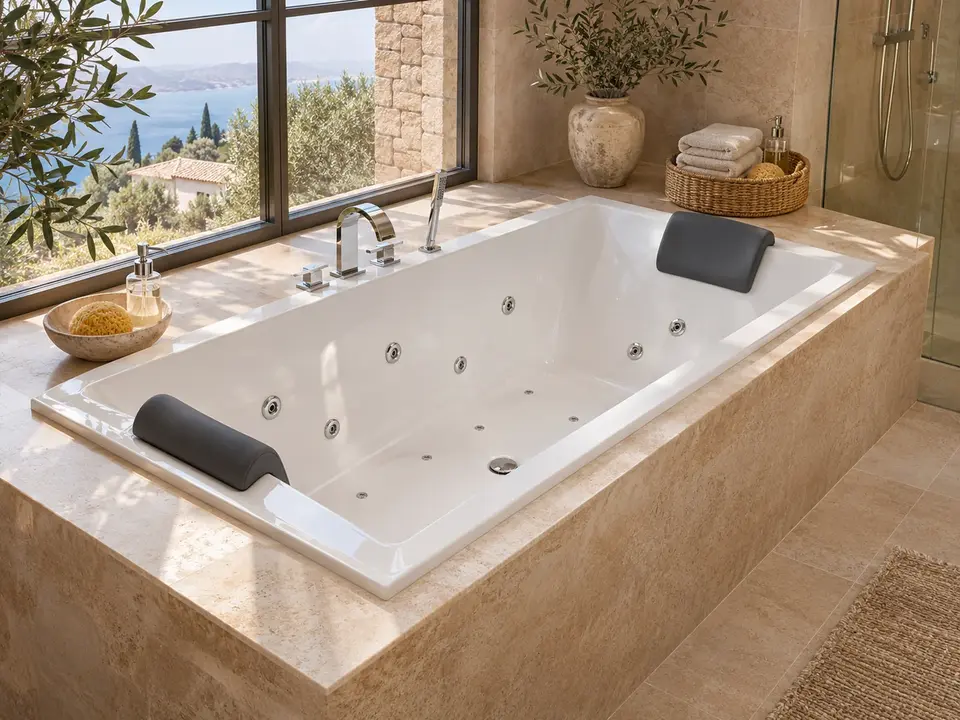
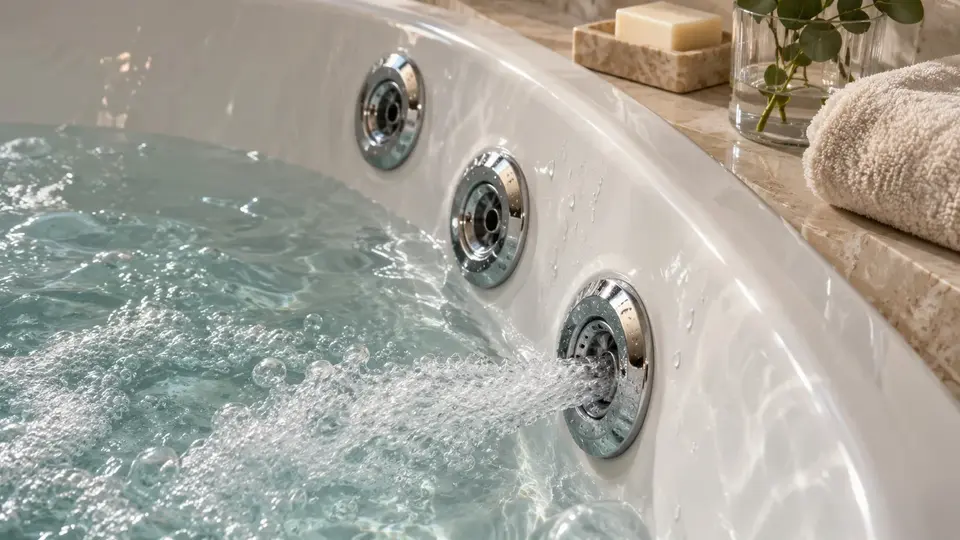
A whirlpool is a bathtub with a motor. Its pump recirculates the same water and massages you with the force of the water coming out of the jets. Because of water shortages on the island we do not recommend one for every home, but after a long day it offers real relaxation.
Standard whirlpools have a pump of around 1 HP with water jets connected to it; more jets can be added depending on the motor's power. An optional second motor (a blower system) gives an air massage through micro jets in the base of the bathtub. Accessories such as grab handles, a headrest and lighting can also be added.
Buying and installing a whirlpool
- Choose a size you can lie in comfortably.
- Buy only products with a warranty and proper certification, and stay away from uncontrolled production.
- Run an earthed cable of at least 3×1.5 mm² to the installation point and connect the whirlpool to its own circuit breaker.
- Installation is the same as for a bathtub; the only difference is the electrical connection, which must be done by a qualified electrician.
- The on/off buttons are pneumatic (air-operated), so there is no electricity in the button you touch.
Do not buy poor-quality, unbranded products without a warranty and quality certificate. Make sure the warranty certificate is officially approved; any print shop can print a certificate.